Cold chain, from the cold room to the customer's door.
One record for the whole trip: the room it was stored in, the dock it left from, the truck it rode in and the stop where it was delivered. When any of them drifts, the right person hears while there is still time to act.
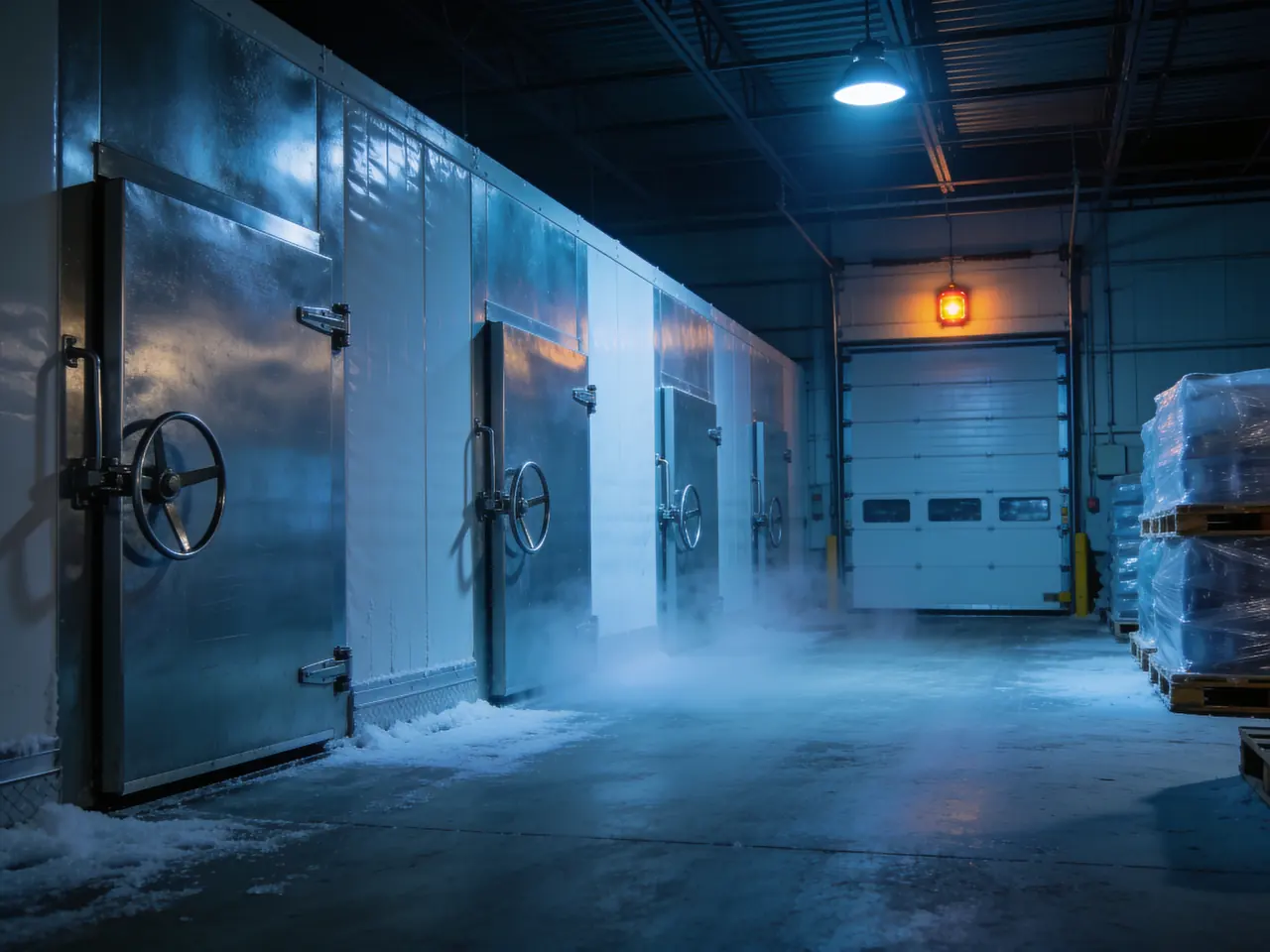
Each room is read against its own range, and a reading has to stay out for the time you set before it alerts, so a door opened for a pallet isn't an alarm, but Chamber 4's door left open at 5:54 AM is.
Incident #4821 opens at 6:12 AM and reaches the person on call by SMS and push. If no one acknowledges, the site lead hears ten minutes later, and each step is on the record.
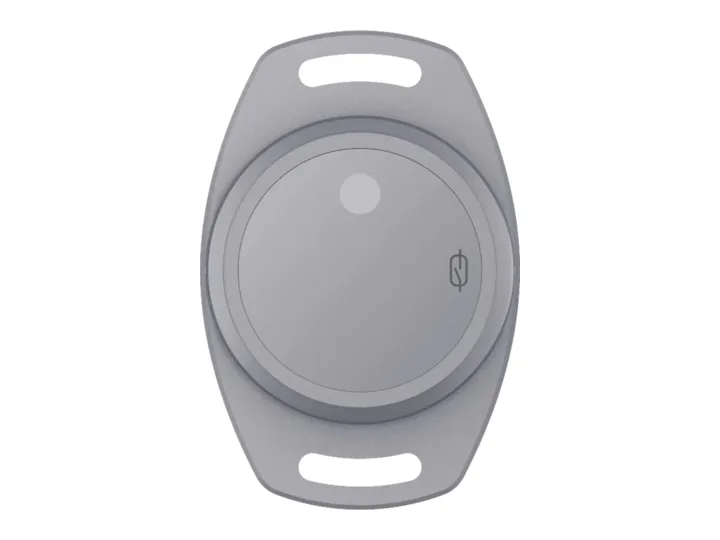
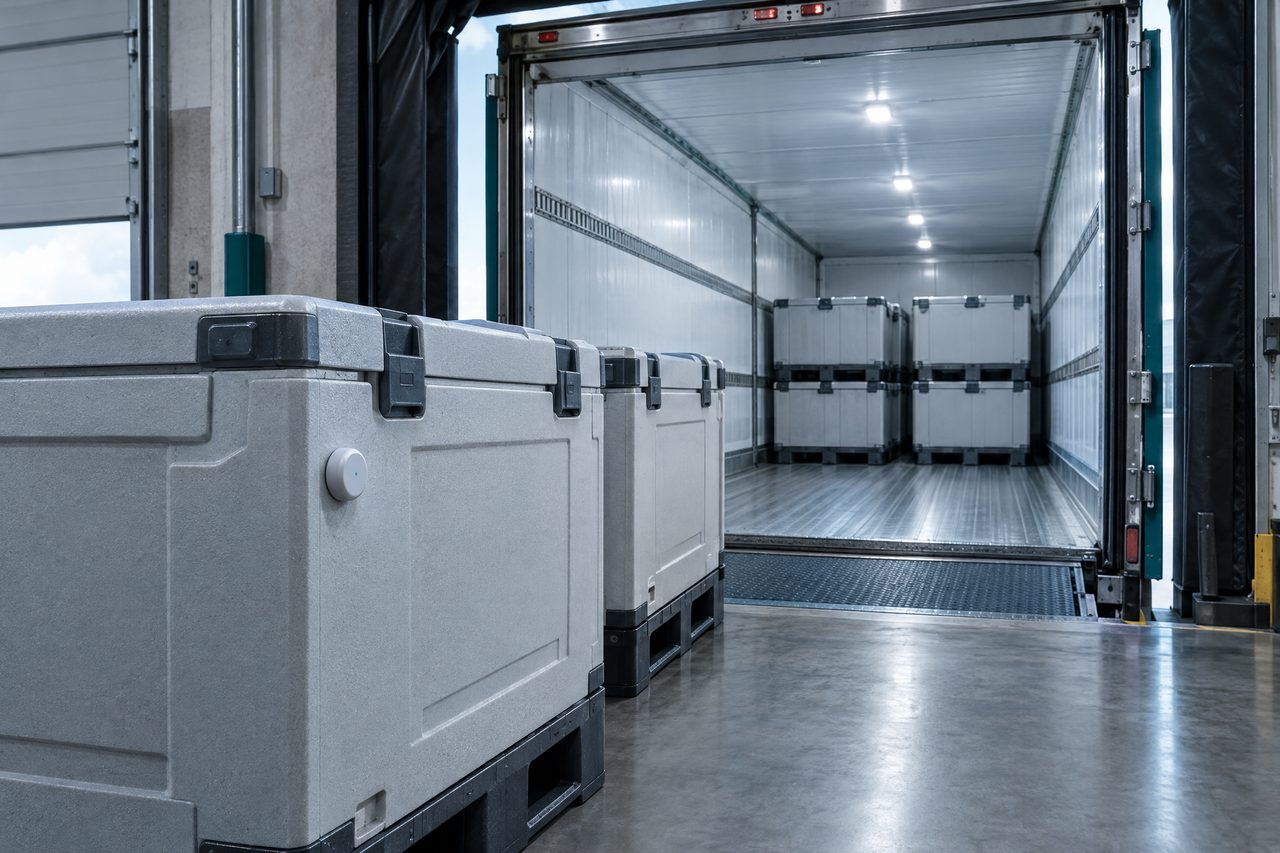
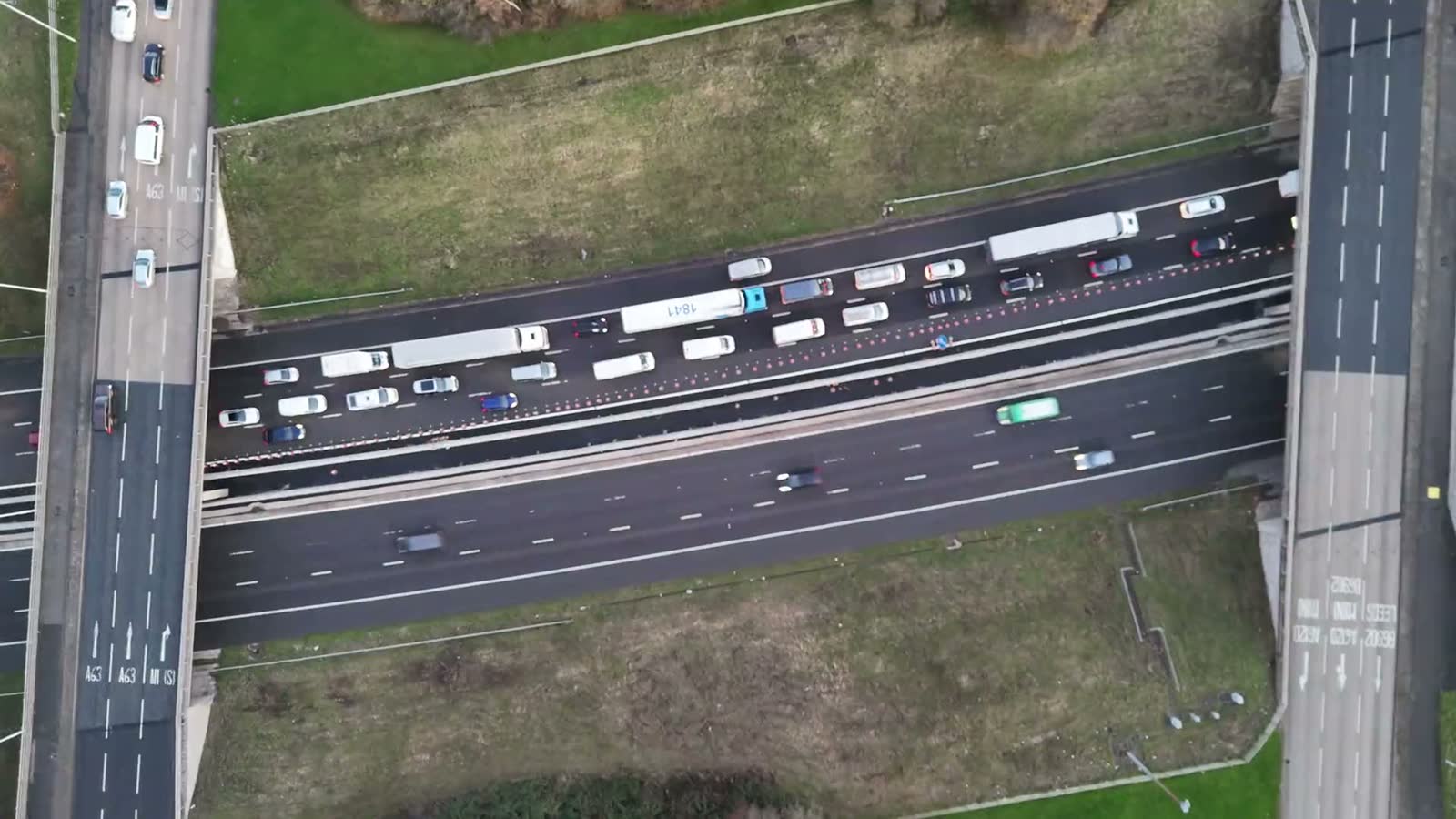
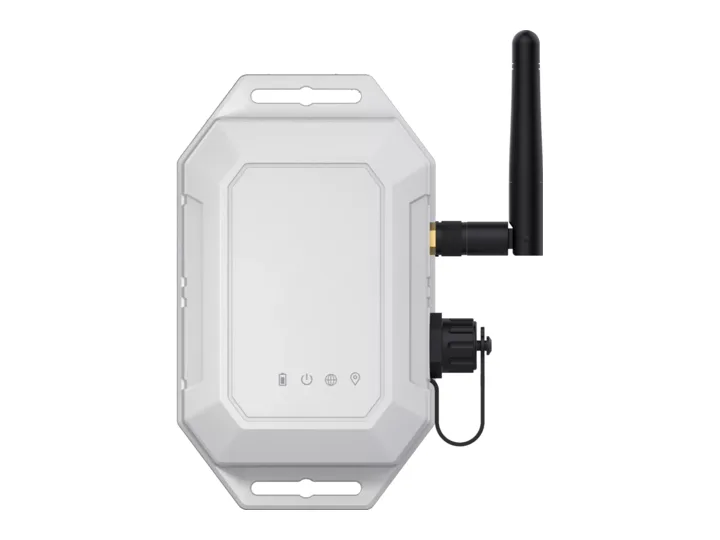
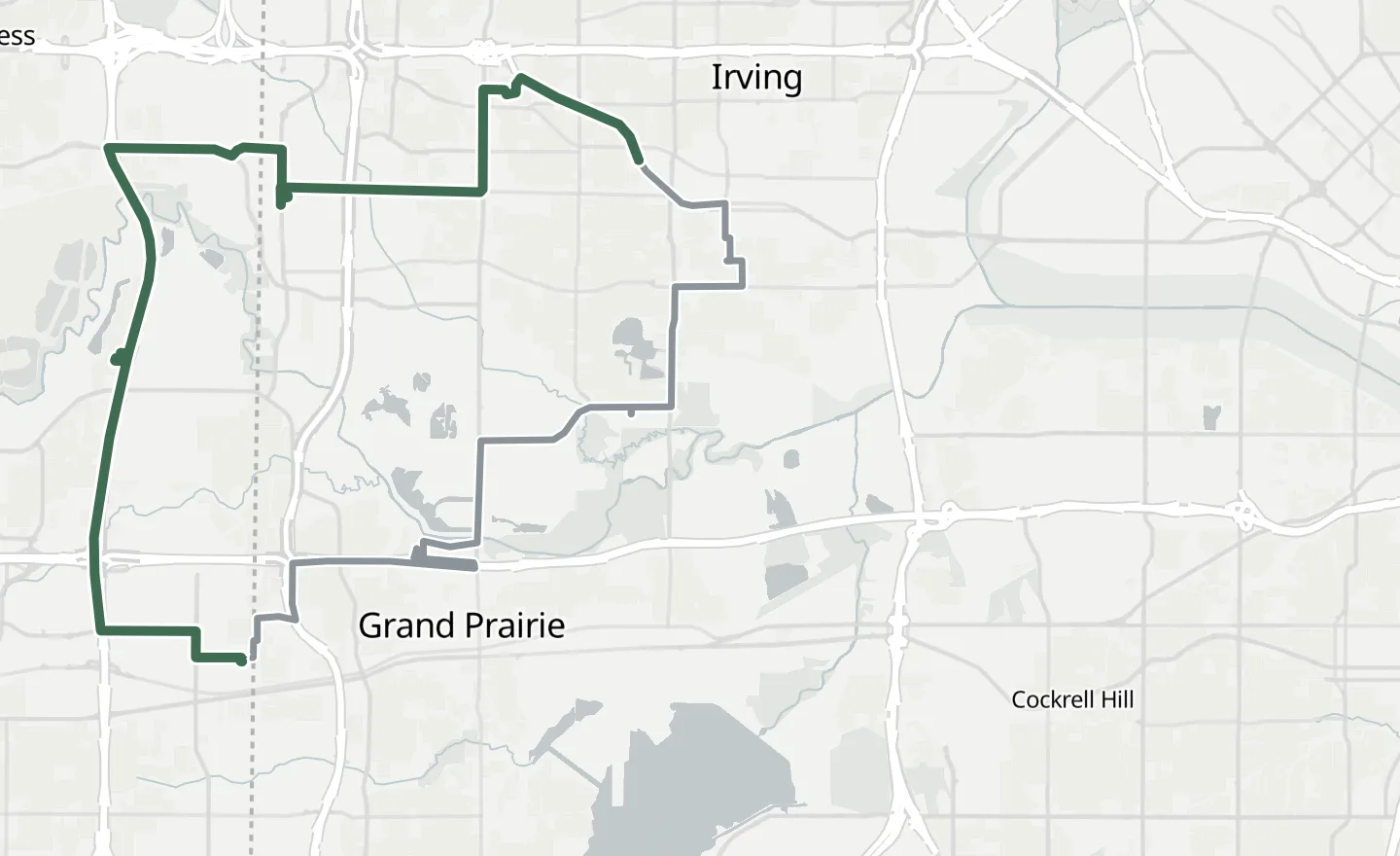
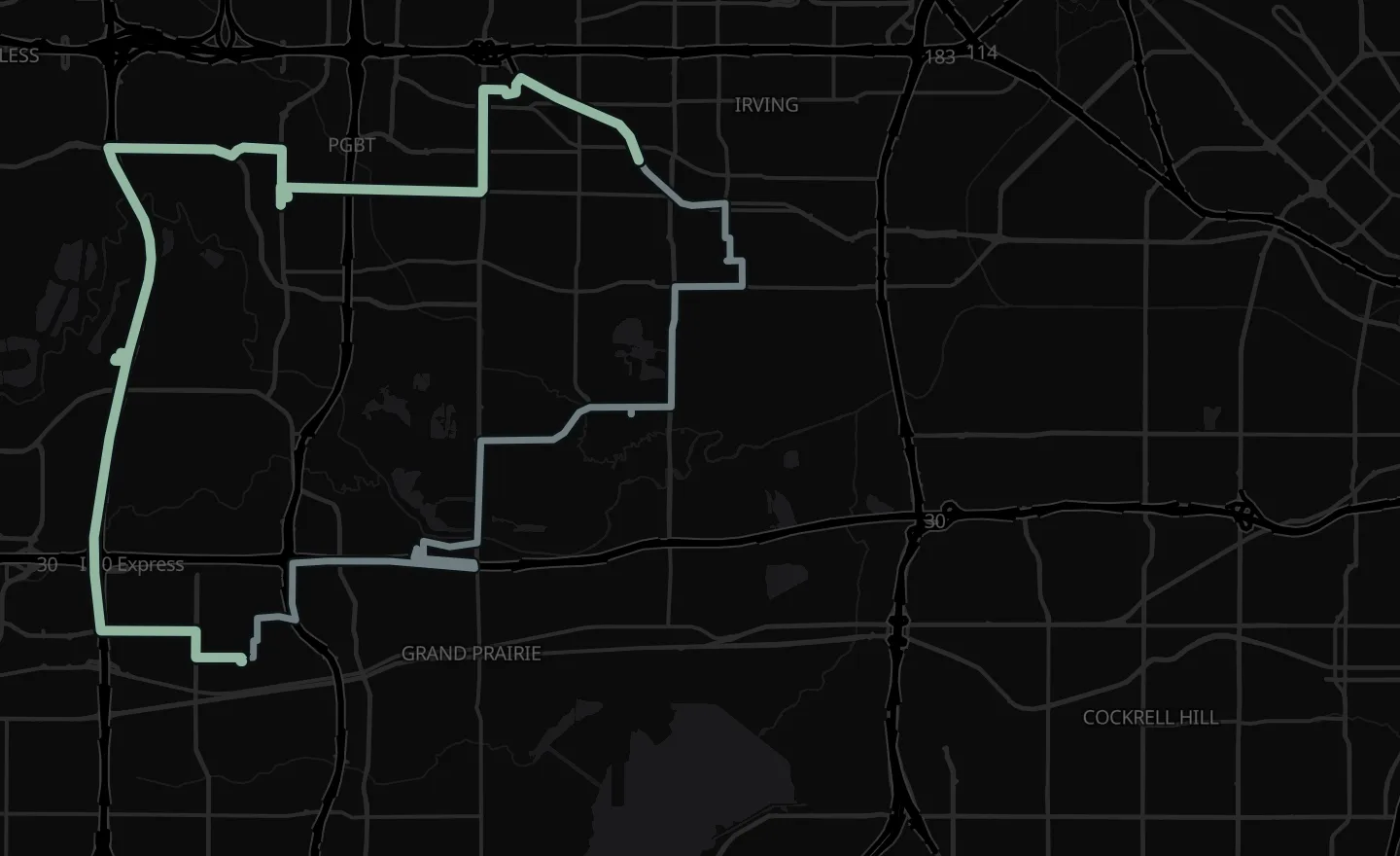
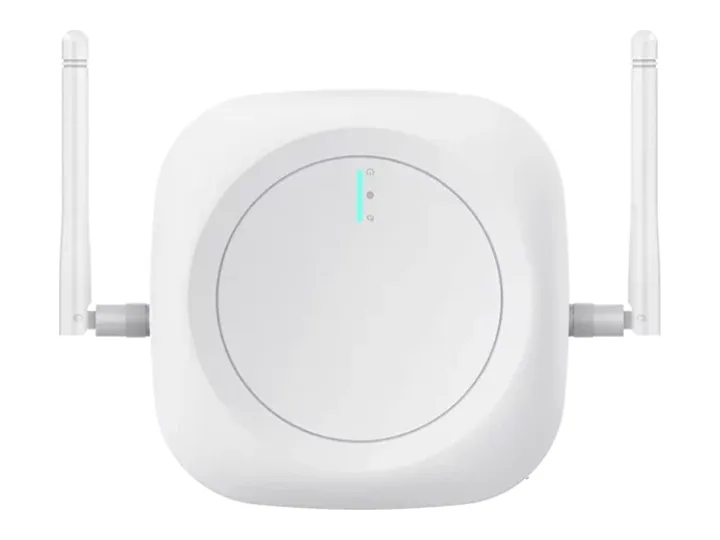
A Sense tag rides with the load and a Link in the cab reports it with the truck's position, so doors left open at a stop show while the driver can still close them.
Stop 4 · Cedar MarketDelivery window 11:00 AM–11:30 AM
Van 07Next stop · ETA 11:20 AM
3 of 6stops done29 mitoday2:10 PMback at depot
05
The auditor asks for the record
Every room keeps its readings and every excursion its range, duration and who answered, rolled up to the facility and exported for your food-safety plan or your customer.
Report · North depotAugust
Cold rooms12 of 12 reported
Data gapCh. 6 · 25 min, Aug 14
Rolled up toNorth depot facility
DeliveryCSV · emailed on the 1st
Reviewed by
Date
Generated by OneIoT · Sep 1, 6:00 AM · page 1 of 1
Next report · Oct 1 · by email
What goes in
What goes in at each site.
A sensor in each room
It reads the temperature and the door. Freezers get the cold-rated version.
Each room's range, how long a door may stay open, and who hears first.
Where it stands
The engine is proven. Your cold chain is next.
500+acres of greenhouses
A greenhouse-controls maker
Its next-generation controller runs on our edge and cloud: control on site over Modbus, remote access and updates — at four of its customers' sites.
200K+active devices
Across the platform
Platform figures as of 31 Aug 2026.
First sites now
Your cold chain
We set up the rooms, the dock and a truck with your first site.
Questions
Before you ask.
Something we haven't answered? Ask it on the call, or write to [email protected]
Does it work in freezers?
Yes, with the extended-range Sense, down to -40°F (-40°C). Teltonika's EYE Sensor stops at -4°F (-20°C), so it is for chilled loads only.
Do our trucks need new trackers?
Not for the load itself: a Sense tag and a Link in the cab report on our SIM. Reading the reefer unit, or a tracker you already have, is integration work we scope with you.
Who hears first at night?
The person on call for that site, by SMS and push. If no one acknowledges, the next person on the chain hears.
°F or °C?
Both. Each user picks; the record keeps the reading as it arrived.
Where to start
Start with one site, and the devices it needs.
Mon
Tue
Wed
Thu
Fri
30 min
Call
A thirty-minute callYour sites or fleet, what goes wrong today, and who answers.
Outline
What we connect
Ranges and people
First-site fee
Outline
A written outline and a fixed priceWhat we connect, what you already have that stays, the first-site fee.
Connect it
Set it up
Run it
4 weeks
Four weeks on your first siteWe connect it, set it up and run it.
On record
What it caught
How fast each was answered
Results
Your results, on recordWhat it recorded, what it caught, and how fast each one was answered.
Start with one site: 4 weeks at a fixed fee. Then a monthly price per site or per tracked device, on a 12-month term.
Prove it on one site in 4 weeks
Make cold rooms, reefer units or chillers? Sell this under your brand. Tell us what you make ↗