OneIoT Edge

The protocols your plant speaks, and control that stays on site.

OneIoT Edge reads and writes the controllers, PLCs, meters and I/O cards on a site over Modbus, OPC UA, MQTT Sparkplug and HTTP, runs control there within the limits you set, and keeps deciding when the internet is gone.

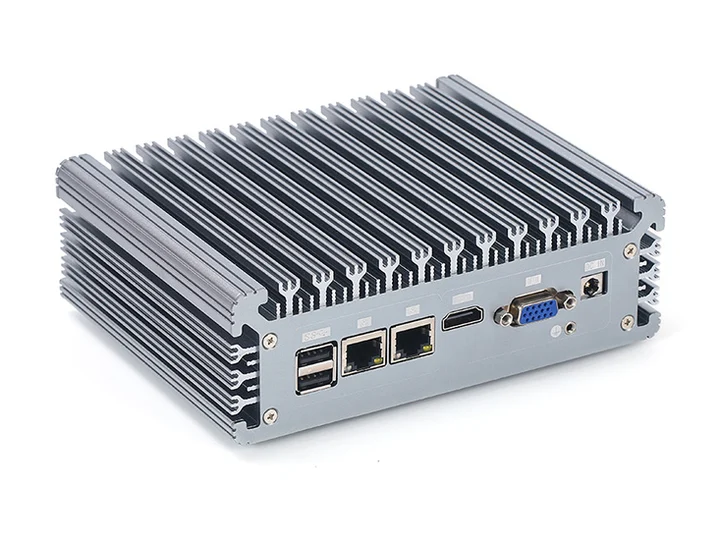
OneIoT Edge, a fanless industrial controller.
Plant 2 · edge 6 controllers answeringInternet link down 12 min control running on site
  • Plant 2 · edge 6 controllers answering
  • Internet link down 12 min control running on site
Readings on this page are sample data.

Equipment from different makers on one site

The settingTalks to what's already there

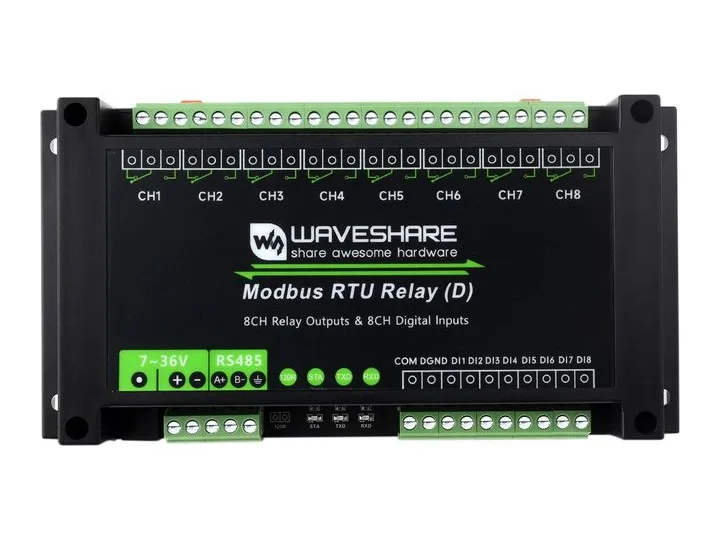
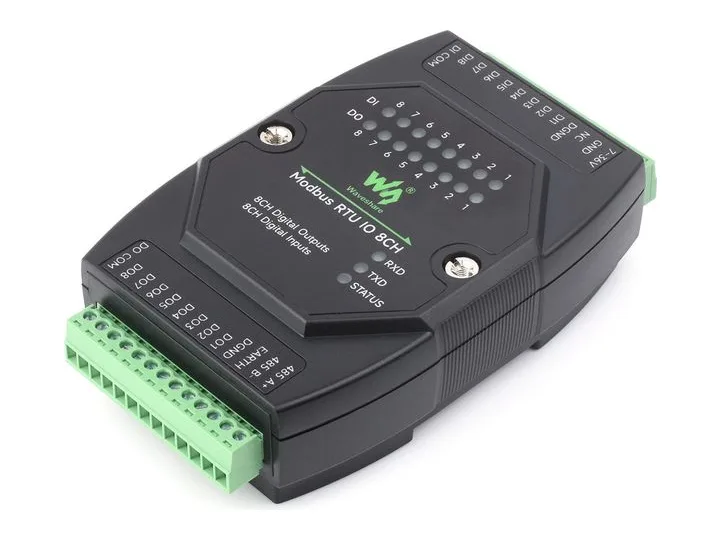
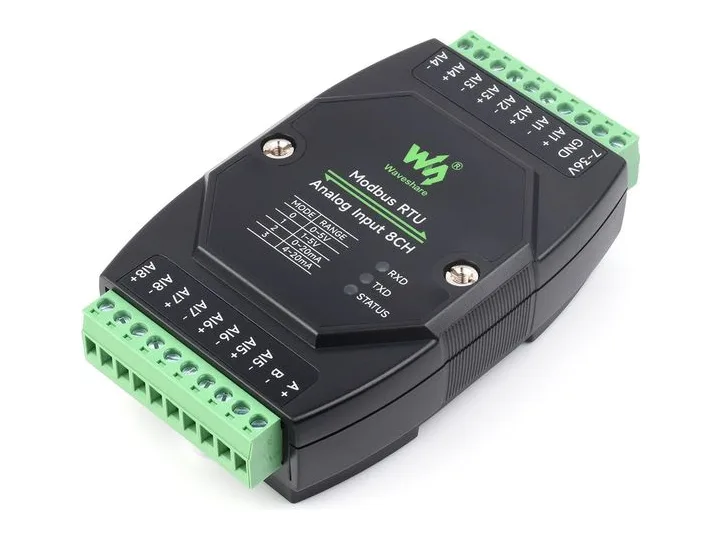
It reads and writes controllers, meters, weather stations and I/O cards over Modbus TCP and RTU, OPC UA, MQTT Sparkplug and HTTP, plus 4–20 mA, 0–10 V, thermistor and pulse inputs. PLCs and building systems connect through an industrial connector we deploy where a site needs it, and 5G or LoRaWAN reach places with no wire. A channel that fails is flagged, not logged as zero.

OnWaveshare I/O cards+Your controllers and meters

Plant 2 · what the edge readsLive
  • Port 1 · Modbus RTU4 zone controllers · answering
  • Modbus TCP2 energy meters · answering
  • Analog card · 4–20 mAPump P-3 pressure · 61 psi
  • Channel 6 · thermistorNo reading · flagged, not zero
A protocol you need isn't on the list

The settingA module per protocol, on requestNext

Each protocol, toward your equipment and toward your own systems, is its own module on the edge. If the one you need isn't there, we build that module and ship it to your edges — the rest of the box stays as it is.

Edge E-0217 · modulesPlant 2
  • Modbus TCP and RTURunning
  • OPC UARunning
  • MQTT SparkplugRunning · toward your systems
  • Your protocolBuilt on request

A plant with several zones

The settingOne site box, a hub in each zone

One edge per site links to the cloud and coordinates a hub in each zone. Each hub runs its zone's control and reads its own I/O cards, which snap onto a DIN rail and are replaced by snapping in a new one.

Plant 21 site box · 3 zone hubs
  • Site boxOnline · linked to the cloud
  • Hub · Zone ARunning · 3 I/O cards
  • Hub · Zone BRunning · 2 I/O cards
  • Hub · Zone CRunning · 4 I/O cards

The internet link drops at night

The settingDecides on site when the cloud is gone

Control runs on the edge, so loops, schedules and alarms keep deciding when the internet drops; readings, alarms and changes made on site upload when the link is back. If a controller hears nothing from the edge for 150 seconds — a time you can change — the outputs the edge drives switch off and the alarm goes out.

What you can control from OneIoT: Edge control →
Plant 2 · Tuesday night
  1. Internet link downControl running on site
  2. Readings logged on siteEvery zone, as usual
  3. Link back31 min of readings and 1 alarm uploaded

Nobody on site to set it up

The settingSet up from the cloud, applied live

Add a device, map a register or change a setpoint from the app, and the edge applies it without a restart or a site visit. Software updates reach each edge over the internet, with a check first.

Change · Zone BFrom the app · 10:14 AM
  • Setpoint68°F → 70°F
  • Applied on the edge10:14 AM · no restart
  • Register 40021Mapped to Fan 2 speed
  • SoftwareUp to date · checked first

A box on the plant network has to be trusted

The settingSecure onboarding, signed updates, a hardened OSNext

Each box gets its identity at the factory and trades it for its own certificate the first time it connects, so nobody types a password on site. Updates are signed and roll back on their own if a box doesn't come back healthy. It runs a dedicated OS: each module as its own user, secrets kept encrypted, no default passwords.

Edge E-0217 · securityPlant 2
  • IdentityFactory certificate · its own after first connect
  • ConnectionCertificate on both sides
  • Update 2.1Signed · health check passed
  • Default passwordsNone

Where it runs

On site today.

  • 500+acres of greenhouses

    A greenhouse-controls maker

    Its next-generation controller runs on our edge and cloud: control on site over Modbus, remote access and updates — at four of its customers' sites.

  • 6processes on one line

    Elogictech Edge at Gloster Cables

    Line status and stoppage reasons from the HMI; OneIoT stops the line with the reason on screen.

Questions

Before you ask.

Something we haven't answered? Ask it on the call, or write to [email protected]

Also in OneIoT:Monitoring & tracking · Fleet & routes · Alerts & incidents · Rules & workflows · Edge control · Dashboards & twins

Do we have to replace our controllers?

No. The edge talks Modbus, OPC UA, MQTT Sparkplug or HTTP to what you have, reaches PLCs through an industrial connector, and on a line we work through the HMI already there.

What is the difference between OneIoT Edge and Edge control?

OneIoT Edge is the box on site. Edge control is what you do with it from OneIoT: change a setpoint, hold a zone, or stop a line from a workflow.

What if the internet goes down?

Control keeps running on site, and everything syncs when the link returns.

Can it run AI on site?

Local AI options are available on request.

Where to start

Start with one site, and the devices it needs.

  1. Call

    A thirty-minute callYour sites or fleet, what goes wrong today, and who answers.
  2. Outline

    A written outline and a fixed priceWhat we connect, what you already have that stays, the first-site fee.
  3. 4 weeks

    Four weeks on your first siteWe connect it, set it up and run it.
  4. Results

    Your results, on recordWhat it recorded, what it caught, and how fast each one was answered.

Start with one site: 4 weeks at a fixed fee. Then a monthly price per site or per tracked device, on a 12-month term.

Prove it on one site in 4 weeks

Sent straight to our team. We use your details only to reply. Privacy policy

Making equipment? Start with one product line, under your brand. Tell us what you make

Prove it on one site in 4 weeks

Tell us about your sites. We reply to set up a thirty-minute call, then send a written outline with a fixed price.

  1. A thirty-minute callYour sites or fleet, what goes wrong today, and who answers.
  2. A written outline and a fixed priceWhat we connect, what you already have that stays, the first-site fee.
  3. Four weeks on your first siteWe connect it, set it up and run it.
  4. Your results, on recordWhat it recorded, what it caught, and how fast each one was answered.
Prefer to talk now?
Sent straight to our team. We use your details only to reply. Privacy policy

Book the scoping call.

Thirty minutes with a sales engineer, on what you run and what you need to see.

The product, the hardware you have already chosen, and what your customer pays for.

No slide deck, no obligation.

Or email [email protected] directly.