Controlled environments

Keep conditions on target, at every site.

Cold rooms and chambers for food, dairy and 3PL, and any space that must hold a range. When conditions drift, the site raises the alarm, supported equipment takes the first step, the right person is reached, and the readings stay on record.

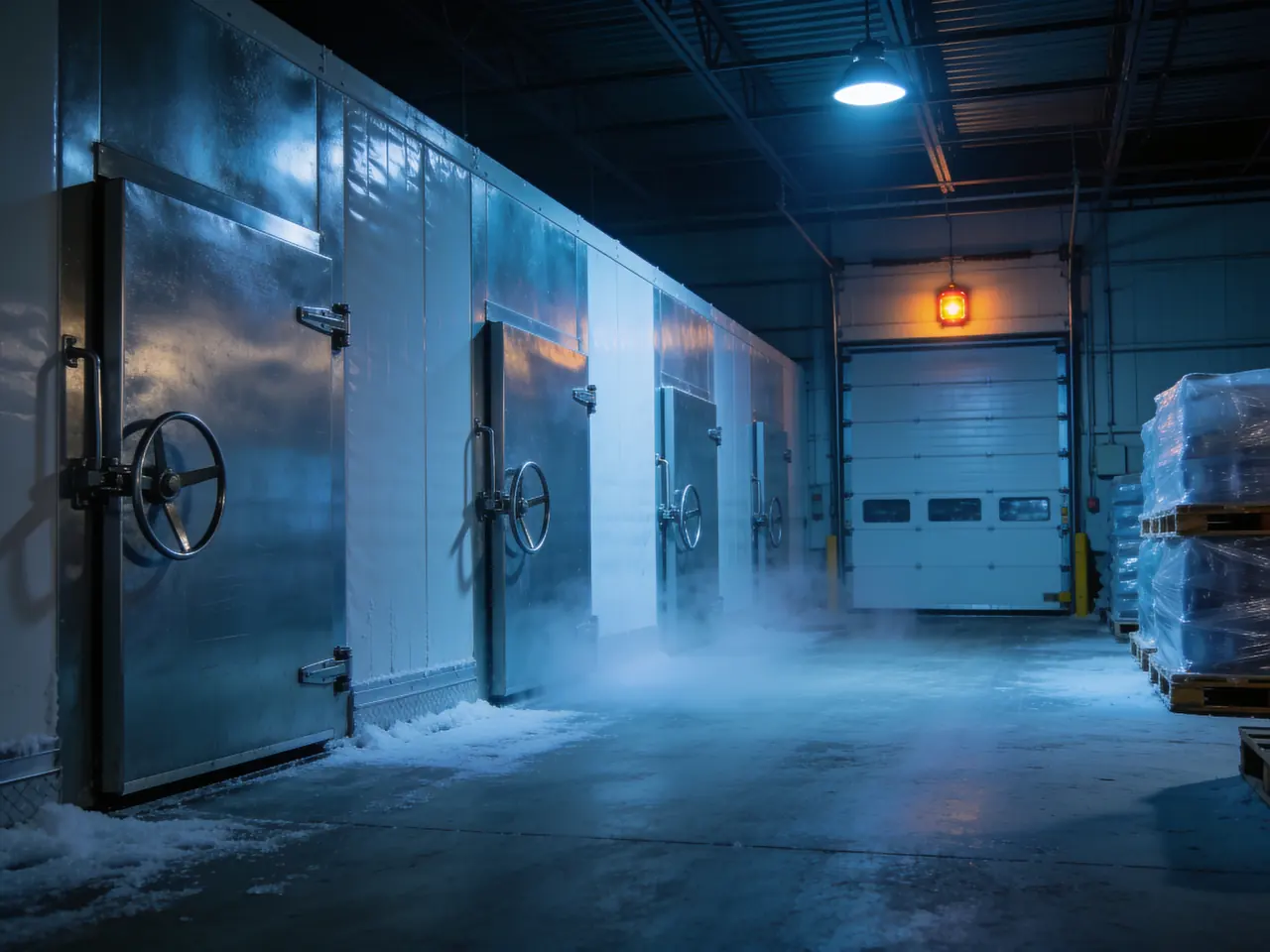
Food, dairy and 3PL cold storageOperations: Cold chain, store to door

4 weeks
to prove it on your first site
500M+
messages a day across OneIoT
North depot6 rooms · 1 incident · 1 silent
Illustrative — sample data
  • Frozen chamber 1≤ 0 °F / −18 °C
    −2 °FIn range
  • Dairy chiller35–41 °F / 2–5 °C
    38 °FIn range
  • Chamber 435–41 °F / 2–5 °C
    43 °FIncident · alerted 11:40 PM
  • Ice-cream room≤ −10 °F / −23 °C
    −14 °FIn range
  • Dispatch bay35–46 °F / 2–8 °C
    44 °FDoor open · under hold time
  • Plant roompowered, < 86 °F
    —No reading for 14 min · alerted

An ordinary Monday

Monday, 8:00 AM. The weekend is already written up.

Each chamber's readings, the doors and any excursion are with your QA lead before the first meeting.

  • Each room against its own range, with its doors and hold times
  • A sensor that stops reporting is on the same record
  • One report for head office, and each site sees its own

Sample data.

Sample view
North depot · Mon 8:00 AMThe weekend · 12 chambers
1 closed
Chambers
12 in range · Chamber 4 too warm Sat night, closed Sun
Doors
Dock door 3 opened 63 times · longest 7 min, under hold time
Not reporting
Blast freezer sensor quiet 14 min on Sunday · back
Reports
Excursion report EXC-4117 with the QA lead
Typed by hand
The QA lead's sign-off
Sent to the QA lead as a scheduled report, Mon 8:00 AM

One Saturday night

A compressor trips on Saturday night. The contractor is on the way before midnight.

A compressor trips in Chamber 4 at eleven on a Saturday night. This is what happens next, and what's on record on Monday.

Chamber 4, one Saturday night · sample data

  1. 11:10 PM

    The compressor trips. The chamber is still at 38 °F, inside its range: recorded, nobody alerted.

  2. 11:32 PM

    Above 41 °F (5 °C). The reading is on record and the hold time starts.

  3. 11:40 PM

    Past its hold time. The incident opens and the on-call supervisor is alerted by SMS and email.

  4. 11:50 PM

    No answer in ten minutes. The refrigeration contractor is alerted too.

  5. 11:58 PM

    The contractor acknowledges and is on the way.

  6. 1:52 AM

    Back at its usual temperature, and the incident is closed. The readings, both alerts and the acknowledgment are on record.

The incident record · sample data

INC-4117Chamber 4 · Compressor trip
Resolved
11:00 PMRange 35–41 °F2:00 AM
  • Trip, 11:10 PM
  • Incident, 11:40 PM
  • Closed, 1:52 AM
Condition
Above 41 °F from 11:32 PM to 1:34 AMpeak 44.6 °F (7.0 °C)
Alerted
11:40 PM On-call supervisor, by SMS and email11:50 PM Refrigeration contractor, after no answer11:58 PM Contractor acknowledged
Resolved
1:10 AM Compressor reset on site1:34 AM Back in range1:52 AM Closed
On record2 alerts1 acknowledgment1 excursion report

Answered on Saturday night, not found on Monday morning.

Operations in this industry

The operation behind the cold room, walked end to end.

How the operation runs, from the room to the dock, the truck and the customer's door, is on its own page.

Before you ask

Three questions cold-chain teams ask first.

Do our existing loggers and sensors stay?

Where we can connect them, yes. We check that before the pilot and add our own only where they're needed.

Who installs it?

Most devices are made for your own team to install. For a large installation, our partners support you on the ground.

Who answers at night, and where is our data?

Your own people: the site's on-call first, then the next person you name. The platform is hosted on Microsoft Azure in the United States, and we export your data on request.

Read the security page

The record

Each excursion written up as it happens, for your QA lead to sign off.

When your customer, your auditor or your insurer asks what happened to Chamber 4 on Saturday, the report already exists.

  • Continuous, timestamped temperature records for every room
  • A report for every excursion: range, duration, peak, who was alerted, who answered
  • Reports you can file with your food-safety plan
  • Records viewable and exportable from any site

US food rules recognize records of the times temperature control was lost as refrigeration records (21 CFR 117.145(c)(2)).

Sample report
Excursion report · EXC-4117Chamber 4 · North depot
Closed
Allowed range
35–41 °F (2–5 °C) · cold holding
Excursion
Sat 11:32 PM → Sun 1:34 AM · 2 h 2 min
Peak
44.6 °F (7.0 °C) · readings every minute, attached
Likely cause
Cooling stopped: the room warmed with the door closed
Action taken
Compressor reset on site 1:10 AM
Alerted
Supervisor 11:40 PM · contractor 11:50 PM · acknowledged 11:58 PM
Product
Held for a quality check · released after review
Completed by the QA lead, Sun 8:15 AM

Where it runs

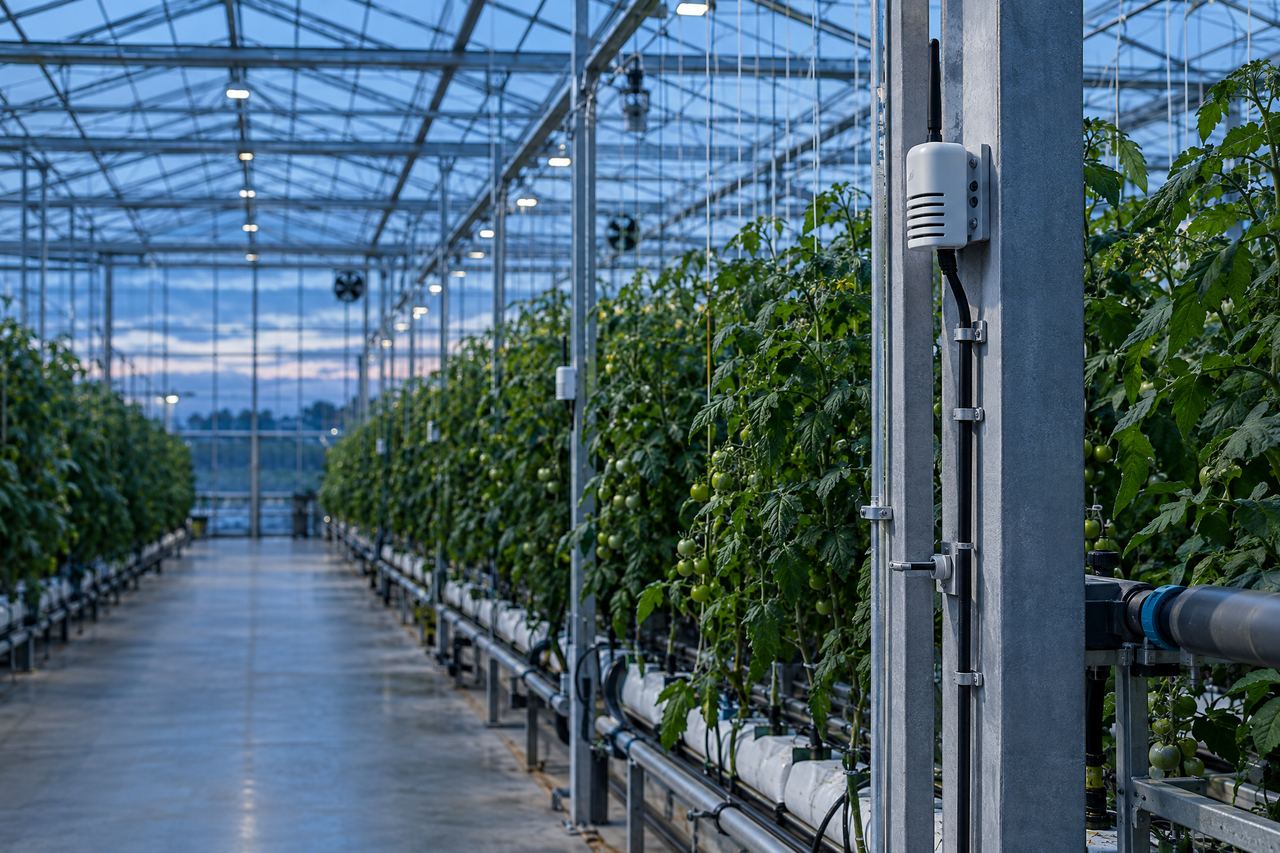
Running in greenhouses today. Your first cold-room site in 4 weeks.

500+ acresof greenhouses, in production

For growers: a greenhouse-controls brand

Growers' climate control running on site on OneIoT, under the brand's own name, with remote access and updates from the cloud.

Cold rooms: first sites now

Your first site in 4 weeks, at a fixed fee.

We connect one site, set its ranges and its people, and run it. At the end you have:

  • Each excursion it caught
  • How fast someone answered each one
  • The report for each one
Prove it on one site in 4 weeks

What goes in

What goes in at each site.

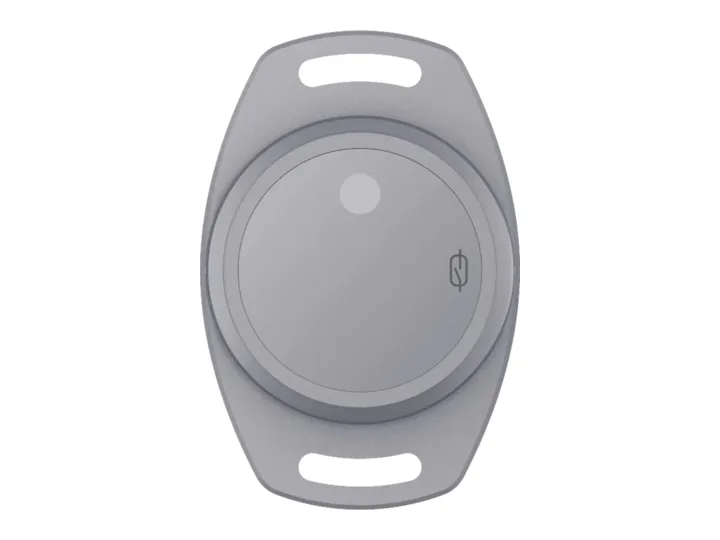
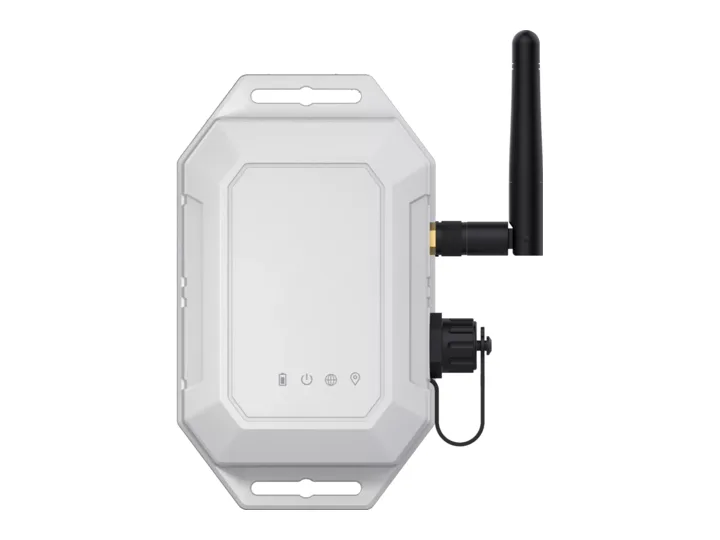
  • A sensor in each room

    It reads the temperature and the door. Freezers get the cold-rated version.

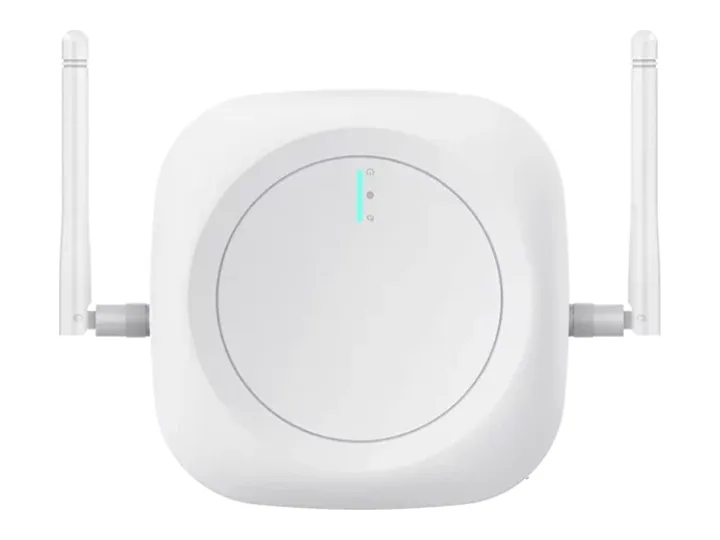
  • A gateway on the wall

    On your Wi-Fi or Ethernet. In each reefer, one with its own SIM.

  • Set up with you

    Each room's range, how long a door may stay open, and who hears first.

OneIoT AIOneIoT AI investigates each alarm as it arrives. Where it acts, it acts only through the control program on site, within that program's limits.See OneIoT AI

Where to start

Start with the room that costs you most when it drifts.

  1. Call

    A thirty-minute callYour sites or fleet, what goes wrong today, and who answers.
  2. Outline

    A written outline and a fixed priceWhat we connect, what you already have that stays, the first-site fee.
  3. 4 weeks

    Four weeks on your first siteWe connect it, set it up and run it.
  4. Results

    Your results, on recordWhat it recorded, what it caught, and how fast each one was answered.

Start with one site: 4 weeks at a fixed fee. Then a monthly price per site, on a 12-month term.

Prove it on one site in 4 weeks

Sent straight to our team. We use your details only to reply. Privacy policy

Making refrigeration or cold-chain equipment? Put OneIoT in it, under your brand

Prove it on one site in 4 weeks

Tell us about your sites. We reply to set up a thirty-minute call, then send a written outline with a fixed price.

  1. A thirty-minute callYour sites or fleet, what goes wrong today, and who answers.
  2. A written outline and a fixed priceWhat we connect, what you already have that stays, the first-site fee.
  3. Four weeks on your first siteWe connect it, set it up and run it.
  4. Your results, on recordWhat it recorded, what it caught, and how fast each one was answered.
Prefer to talk now?
Sent straight to our team. We use your details only to reply. Privacy policy

Book the scoping call.

Thirty minutes with a sales engineer, on what you run and what you need to see.

The product, the hardware you have already chosen, and what your customer pays for.

No slide deck, no obligation.

Or email [email protected] directly.