Plant operations

Know why the line stopped, as it stops.

For production and maintenance managers. OneIoT follows each process on a line against its limits. When one leaves them, it tells the line's HMI to stop, where the HMI accepts a stop command, puts the reason on the operator's screen, reaches the right people, and records the stop against the process that caused it.

Production lines and utilitiesOperations: Industrial control

4 weeks
to prove it on your first line
6 processes
on one cable line: Elogictech Edge at Gloster Cables
Line 1 · cable line6 processes · 1 stopped · 1 drifting
Illustrative — sample data
  • Drawing≤ 4,270 ft/min
    4,000 ft/minIn limits
  • Stranding4.3–4.9 in
    4.6 in layIn limits
  • Extrusion329–347 °F / 165–175 °C
    352 °FLine stopped · 2:02 PM
  • Cooling trough68–86 °F / 20–30 °C
    88 °FDrifting · supervisor told
  • Spark testlast 3,000 ft
    0 faultsIn limits
  • Take-uptension in limits
    Drum 14Paused with the line

What's at stake

81 minutes.

Most of a stop isn't the fault. It's finding out what happened, and who knows.

“I had a customer call and complain they had a leak in their accumulator bank, the alerts had been going off for a month.”
r/manufacturing, 2026 ↗

A stop you can explain is a stop you can stop repeating.

One stop on Line 1

Most systems stop at the dashboard. OneIoT explains the stop, and can make it where you allow.

The extruder head on Line 1 starts to run hot on a Tuesday afternoon. This is what happens next, and what's on record at Wednesday's production meeting.

Line 1, one Tuesday afternoon · sample data

  1. 1:55 PM

    Extruder head zone 3 creeps toward its 347 °F (175 °C) limit. Still inside it: recorded, nothing stopped.

  2. 2:02 PM

    Above 347 °F for 60 seconds. OneIoT tells the line's HMI to stop Line 1, and puts the reason on the operator's screen, with the last time it happened.

  3. 2:03 PM

    The shift supervisor and the maintenance engineer on call are alerted on SMS and push.

  4. 2:09 PM

    Maintenance acknowledges and is at the extruder.

  5. 2:24 PM

    A heater relay in zone 3 stuck on. Replaced.

  6. 2:31 PM

    Line 1 restarts. The stop is on record against extrusion: 29 minutes, 590 ft of scrap, the reason and who fixed it.

The incident record · sample data

STP-1187Line 1 · Extrusion stop
Resolved
1:40 PMLimits 329–347 °F (165–175 °C)3:10 PM
  • Drift, 1:55 PM
  • Line stopped, 2:02 PM
  • Restarted, 2:31 PM
Condition
Head zone 3 above 347 °F for 60 speak 352.4 °F (178.0 °C)
First step
2:02 PM HMI told to stop Line 1reason on the operator's screen
Alerted
2:03 PM Shift supervisor and maintenance, by SMS and push2:09 PM Maintenance acknowledged
Resolved
2:24 PM Heater relay replaced2:31 PM Line restarted
On record29 min stopped590 ft scrap1 reason on record
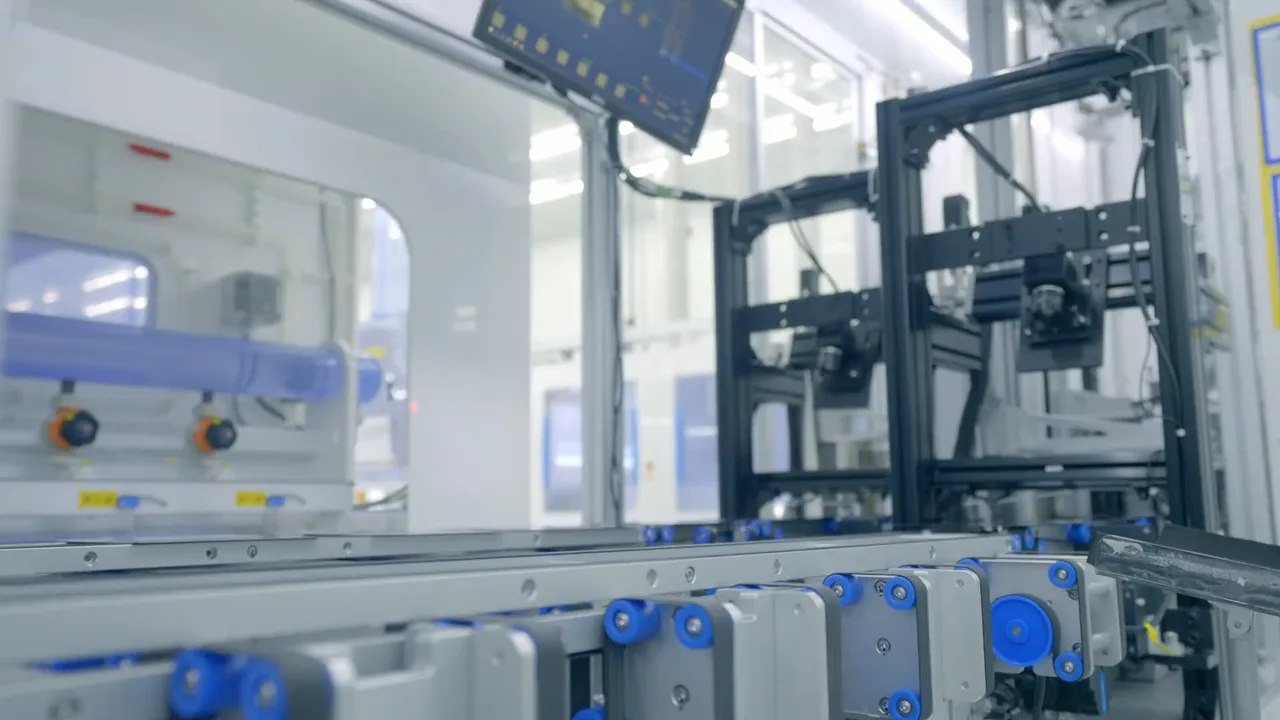
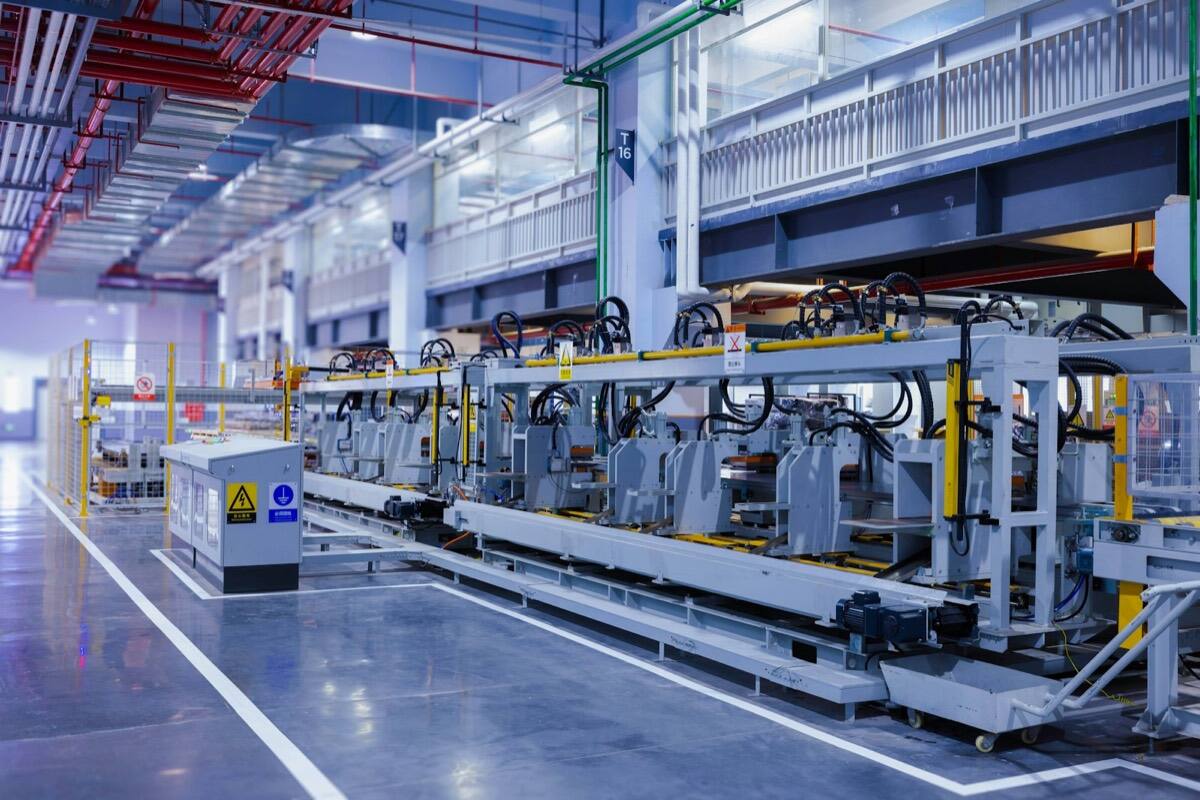
The line stopped in a minute, not at the end of the shift.

Operations in this industry

The operation behind the line, walked end to end.

From a reading on the line to a stop through its HMI, and the pump stations behind the plant: the operation has its own page.

The record

Every stop, against the process that caused it.

When the plant manager asks why Line 1 lost half an hour on Tuesday, the answer is already written, by the line.

  • Every stop recorded as it happens, planned or unplanned, with its duration
  • The reason, the limit crossed and the value, against the process that caused it
  • Who was told, who acknowledged, and what was done
  • OEE by line, process and shift, as formulas you define

Downtime is recorded the way ISO 22400 defines it for manufacturing KPIs: planned and unplanned kept apart, each with its duration and reason.

Sample report
Stop record · STP-1187Line 1 · Extrusion
Closed
Stop
Tue 2:02 PM → 2:31 PM · 29 min · unplanned
Process
Insulation extrusion · head zone 3
Limit crossed
347 °F for 60 s · peak 352.4 °F (178.0 °C)
Reason
Heater relay stuck on
Acknowledged
Maintenance on call, 2:09 PM
Action
Relay replaced 2:24 PM · restarted 2:31 PM
Scrap
590 ft, held for inspection
OEE
29 min of availability lost, shift B
Reviewed at Wednesday's production meeting
  1. This shift

    The line stops itself, and the reason is on the operator's screen.

  2. This week

    Stops are reviewed by reason, process and shift, from the record, not from memory.

  3. This month

    The biggest loss is the one you work on, and OEE shows whether it's gone.

Where it runs

Running today on a six‑process cable line.

6 processeson one cable line, in production

Elogictech Edge at Gloster Cables

Elogictech Edge built its manufacturing-intelligence solution on OneIoT and runs it at Gloster Cables: every process followed against its limits, the line stopped through its HMI with the reason on screen, and OEE by line and process.

Your plant: first lines now

Your first line in 4 weeks, at a fixed fee.

We connect one line's processes, set their limits and their people and, where your HMI allows, the stop, and run it. You can start monitor-only, with the stop switched off. At the end you have:

  • Each stop, with its reason and the process that caused it
  • How fast each one was answered
  • OEE by process and shift for the line
Prove it on one site in 4 weeks

What goes in

What goes in at each site.

  • Our edge where a site needs it

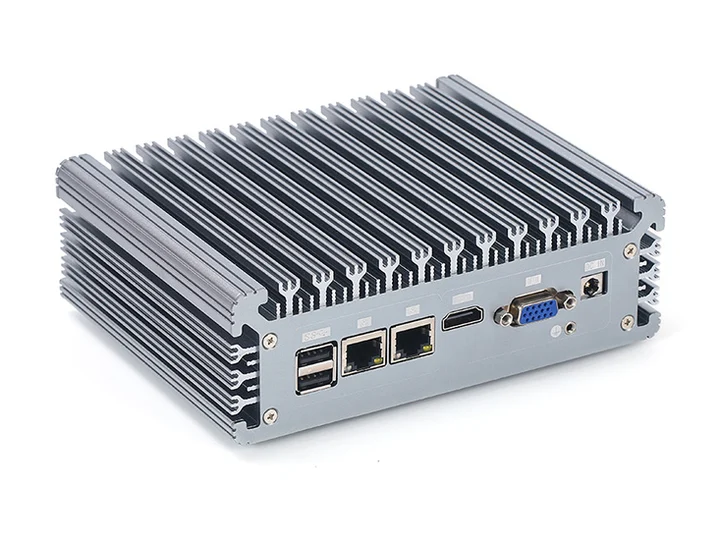
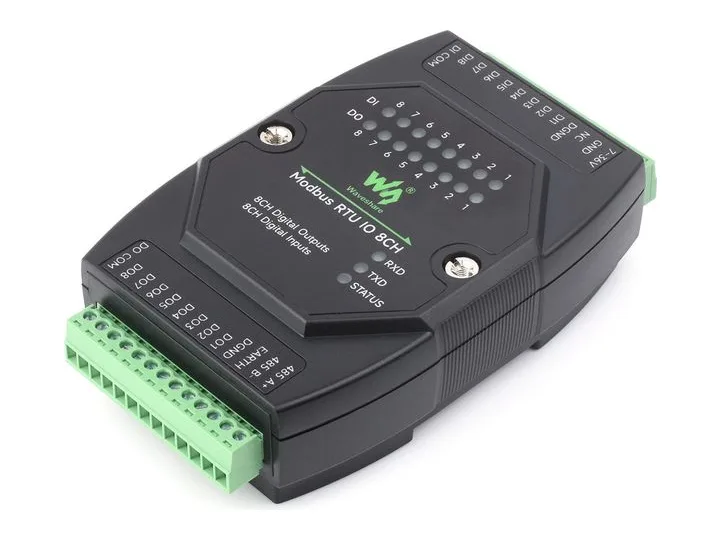
    OneIoT Edge reads controllers, PLCs and meters over Modbus, OPC UA, MQTT Sparkplug and HTTP, with I/O cards for sensors and relays, and keeps control running offline.

  • Your line's HMI, as it is

    Line status and stoppage reasons come in from the HMI already on the line, and a stop goes back through it with the reason on screen.

  • Set up with you

    Each process's limits, how long it may stay out, and who hears first.

OneIoT AIOneIoT AI investigates each alarm as it arrives. Where it acts, it acts only through the control program on site, within that program's limits.See OneIoT AI

Where to start

Start with the line whose stops cost you most.

  1. Call

    A thirty-minute callYour sites or fleet, what goes wrong today, and who answers.
  2. Outline

    A written outline and a fixed priceWhat we connect, what you already have that stays, the first-site fee.
  3. 4 weeks

    Four weeks on your first siteWe connect it, set it up and run it.
  4. Results

    Your results, on recordWhat it recorded, what it caught, and how fast each one was answered.

Start with one line: 4 weeks at a fixed fee. Then a monthly price per site, on a 12-month term.

Prove it on one line in 4 weeks

Sent straight to our team. We use your details only to reply. Privacy policy

Making industrial machines? Put OneIoT in them, under your brand

Prove it on one site in 4 weeks

Tell us about your sites. We reply to set up a thirty-minute call, then send a written outline with a fixed price.

  1. A thirty-minute callYour sites or fleet, what goes wrong today, and who answers.
  2. A written outline and a fixed priceWhat we connect, what you already have that stays, the first-site fee.
  3. Four weeks on your first siteWe connect it, set it up and run it.
  4. Your results, on recordWhat it recorded, what it caught, and how fast each one was answered.
Prefer to talk now?
Sent straight to our team. We use your details only to reply. Privacy policy

Book the scoping call.

Thirty minutes with a sales engineer, on what you run and what you need to see.

The product, the hardware you have already chosen, and what your customer pays for.

No slide deck, no obligation.

Or email [email protected] directly.