What we monitor
From the cold room to the customer's dock.
Who sees what
One record for your QA head. One answer for your customer.
- 01Your QA or distribution head
Every room, reefer and shipment on one screen, and each trip's record on hand.
- 02The warehouse or dispatch team
The first WhatsApp and SMS when their own room or truck drifts.
- 03Your customer
The trip's temperature record when they ask, from your dock to theirs.
One trip
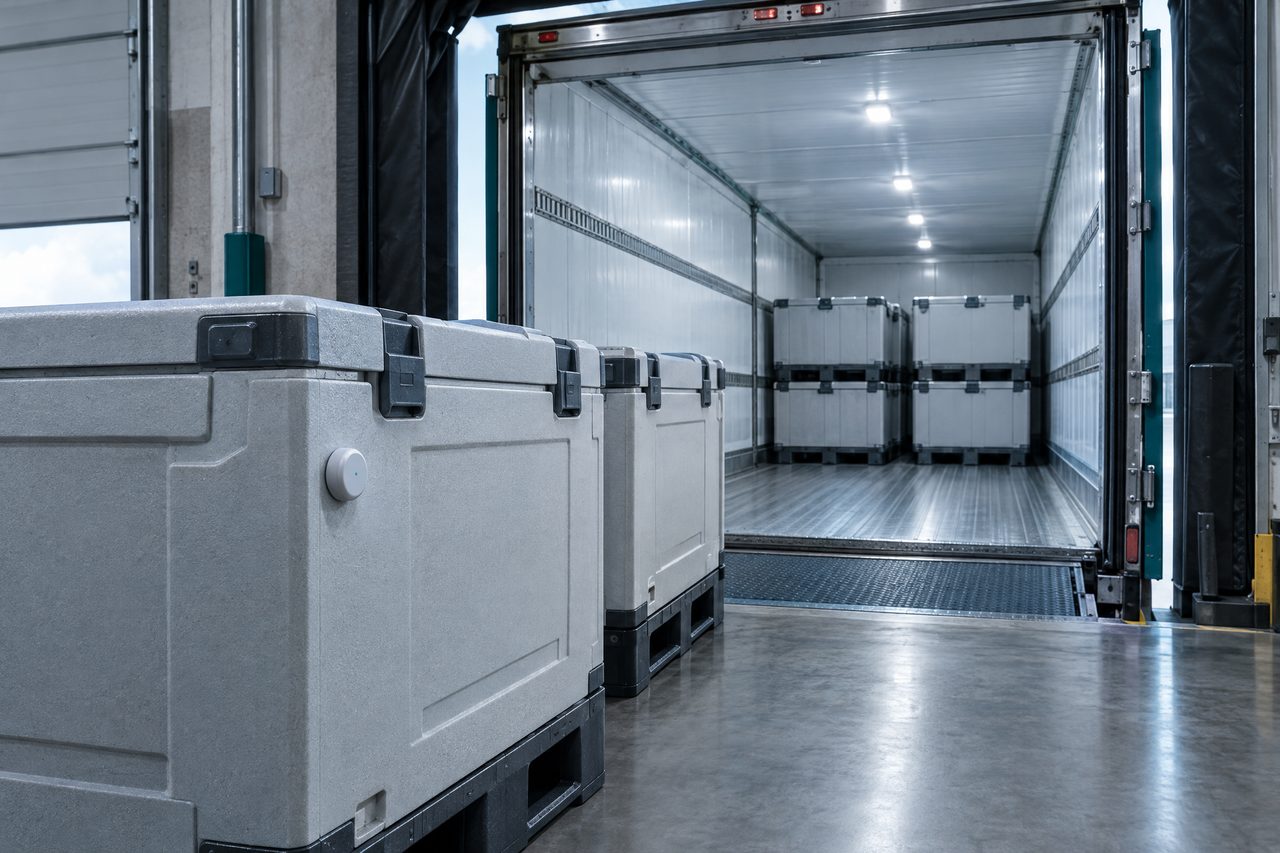
A reefer door stays open at a hand-off. The record shows exactly how long.
- 6:40 AMDoes it matter yet?
The reefer leaves the Patancheru plant at 5 °C, inside 2–8 °C. On record, no alarm.
- 9:15 AMIs it out of range?
At the second drop the doors stay open and the load passes 8 °C. OneIoT starts counting.
- 9:30 AMWho needs to know?
Still too warm after 15 minutes. The dispatcher gets a WhatsApp and an SMS.
- 9:40 AMWhat if nobody answers?
Ten minutes, no reply. The QA head is told too.
- 9:42 AMWho's on it?
The driver closes the doors; the dispatcher notes the drop for the customer.
- 10:20 AMCan you prove it?
The load is back in range. The trip, every reading and every reply are on record for your customer.
INC-6031Reefer TS 12 · too warm at drop 2
Resolved8:50 AMSafe range 2 °C to 8 °C10:20 AM
- On the way to drop 2, 8:50 AM
- Told, 9:30 AM
- Closed, 10:20 AM
- Condition
- Above 8 °C from 9:15 AM to 9:58 AM at drop 2highest 10 °C
- Alerted
- 9:30 AM Dispatcher, by WhatsApp and SMS9:40 AM QA head, after no reply9:42 AM Driver replied
- Resolved
- Doors closed 9:42 AMback in range 9:58 AMclosed 10:20 AM
On record2 alerts1 reply
What goes in
What goes in at your sites.
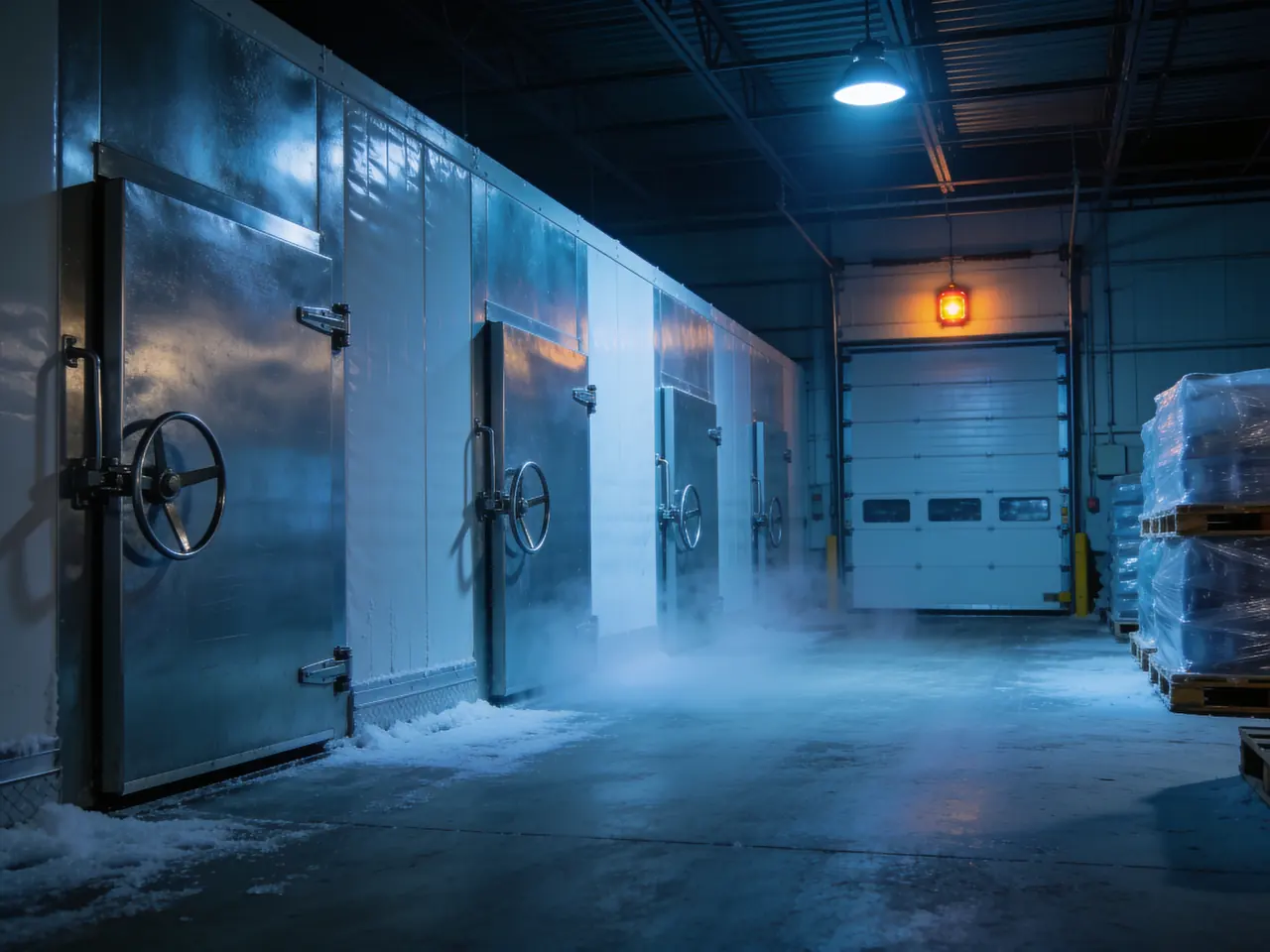
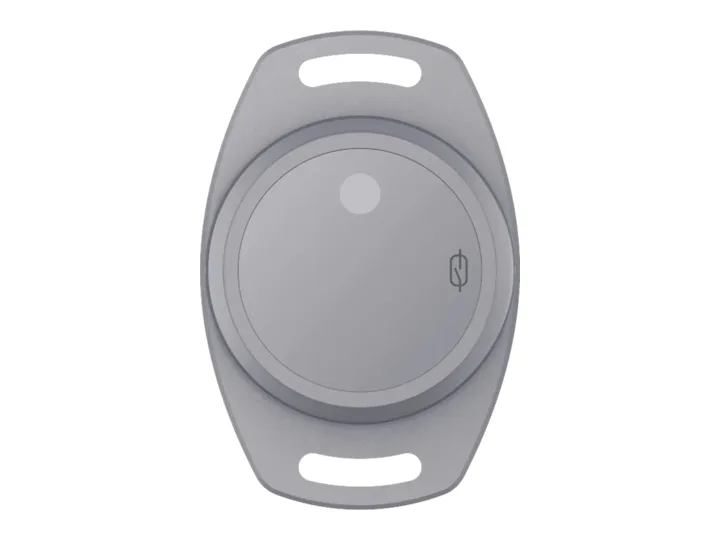
A sensor in each room
It reads the temperature and the door. Freezers get the cold-rated version.
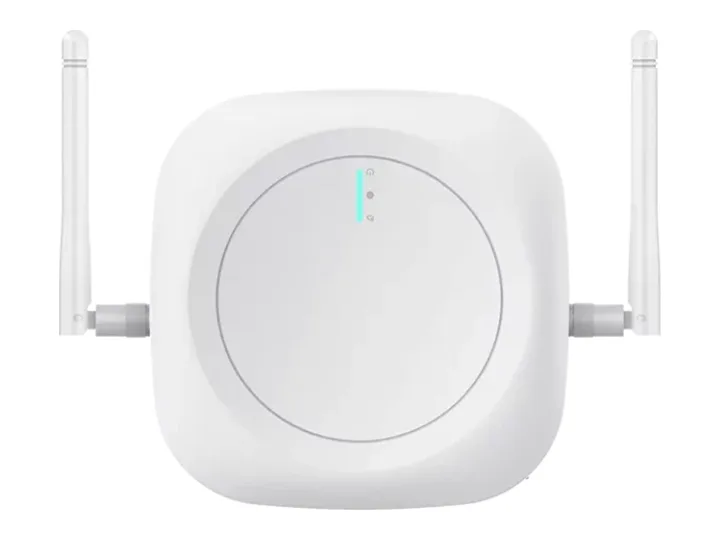
A gateway on the wall
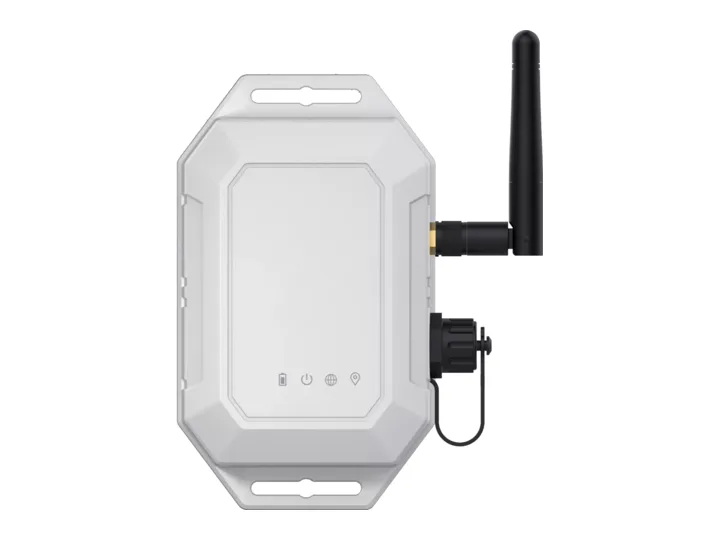
On your Wi-Fi or Ethernet. In each reefer, one with its own SIM.
Set up with you
Each room's range, how long a door may stay open, and who hears first.
Running cold rooms with connected controllers? Explore on-site control
Before you start
Four questions cold-chain teams ask first.
Will it touch our equipment?
Only when you switch it on, room by room, within limits you set. Every room can start monitor-only, and every command is on record.
Do our existing loggers stay?
Where we can connect them, yes. We check each site before we start and fit our own sensors only where they're needed.
Why not a paper log or a basic logger?
A paper log is enough for the inspector, and a logger keeps the numbers. Neither reaches the person who can fix it, tries the next one when nobody answers, or writes down who did what.
Who answers at night, and where is our data?
Your own people: the site's supervisor first, then the next person you name. Your data is hosted on Microsoft Azure in the United States, kept apart from every other customer's, and exported to you on request.
Where to start
Start with the sites that worry you most.
Call
A thirty-minute callYour sites, what goes wrong today, and who answers.Outline
A written outlineWhat we connect, what you already have that stays, and where we start.Your sites
We start with those sitesOur team installs it, sets it up with you and runs it.Results
Your results, on recordWhat it recorded, what it caught, and how fast each one was answered.
Then a written rollout plan and a monthly price per site or per tracked device.
Start with your sites
Making cold rooms, freezers or machines? Sell them connected, under your name